
How Camping Gear Is Changing for Aussie Campers
Why More Australians Are Choosing Simpler, Multi-Use Gear and Getting Back to What Camping Is Really About
Camping in Australia is changing — and it’s not about having more gear.
It’s about having less gear that does more.
Across campgrounds, 4WD tracks, and caravan parks, Aussie campers are moving away from overly complicated setups, bulky gadgets, and gear that takes half the afternoon to assemble. Instead, they’re choosing back-to-basics camping gear that’s quicker to use, easier to pack, and designed for more than one purpose.
And the result?
More time around the campfire.
More connection.
More mental reset.
Over the past decade, camping gear became increasingly complex. More parts, more accessories, more “solutions” to problems that didn’t always exist. While innovation brought some great products to market, it also created a new frustration for many campers.
What was once a simple weekend escape started to feel like a project. Setting up camp could take hours. Packing down felt even longer. Instead of arriving, lighting a fire and relaxing, campers were assembling, adjusting and troubleshooting.
For many Aussie families and couples, this complexity began to outweigh the benefits.
Why Multi-Use Camping Gear Is Taking Over
One of the biggest trends in Australian camping gear right now is multi-use design.
Campers are actively choosing gear that can serve more than one role — not just to save space, but to reduce mental load. Fewer items means fewer decisions, less setup time and a more relaxed experience overall.
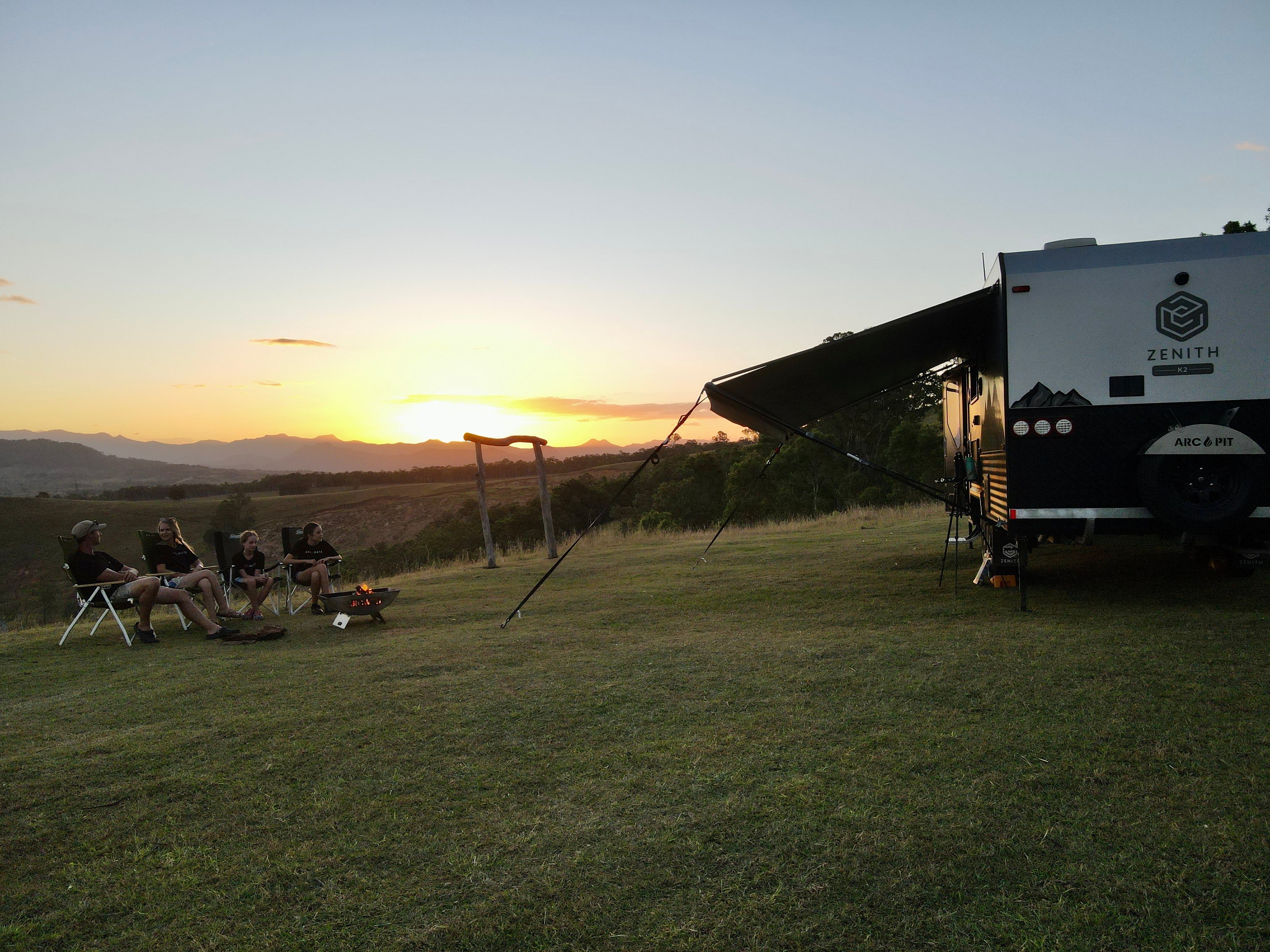
Multi-use gear allows campers to arrive at a campsite and get straight into the moment. Cooking becomes social instead of segmented. The campfire becomes a gathering place again, rather than just another item on the checklist.
This kind of gear doesn’t compete for attention. It quietly does its job in the background, allowing the experience to take centre stage.
That’s where the shift began.
Campers started asking different questions. Not “what else can we bring?” but “what do we actually need?” And more importantly, “does this gear give us more time, or take it away?”
There’s a deeper reason behind this shift towards simplicity, and it goes beyond convenience.
More than 45% of Australians say they go camping to mentally reset.
In a world of constant notifications, schedules and pressure, camping offers something rare — space to breathe. But that mental reset only happens when the environment supports it. When camping gear is overly complicated or demanding, it can interrupt the very thing people are seeking.
Simple gear creates space. It allows families to cook together instead of taking turns managing equipment. It encourages conversation instead of distraction. It gives parents the chance to be present, and kids the freedom to explore without the camp turning into a worksite.
Camping becomes what it was always meant to be — a shared experience, not a production.
Less Gear, Less Stress, More Time Together
One of the most noticeable changes among Aussie campers is how they value time.
Time not spent unpacking.
Time not spent setting up.
Time not spent packing away unnecessary gear.
That reclaimed time is being spent around the fire, sharing meals, telling stories and simply being together. The move towards back-to-basics camping gear isn’t about nostalgia — it’s about efficiency with purpose.
When gear works intuitively and serves multiple roles, it supports the experience instead of dominating it.
The Future of Camping Gear in Australia
Camping gear in Australia isn’t becoming more basic — it’s becoming more thoughtful.
The future belongs to gear that is:
- Purpose-driven rather than feature-stuffed
- Built to last, not just impress
- Designed to fit naturally into the camping lifestyle
Aussie campers are choosing products that respect their time, their space and their reason for getting away in the first place.
It’s not about roughing it.
It’s about removing friction.
At its core, camping has never been about gear.
It’s about the fire.
The food.
The people.
The pause from everyday life.
As Australian campers continue to simplify their setups and choose multi-use, back-to-basics gear, they’re not moving backwards, they’re moving closer to what matters.
Read more
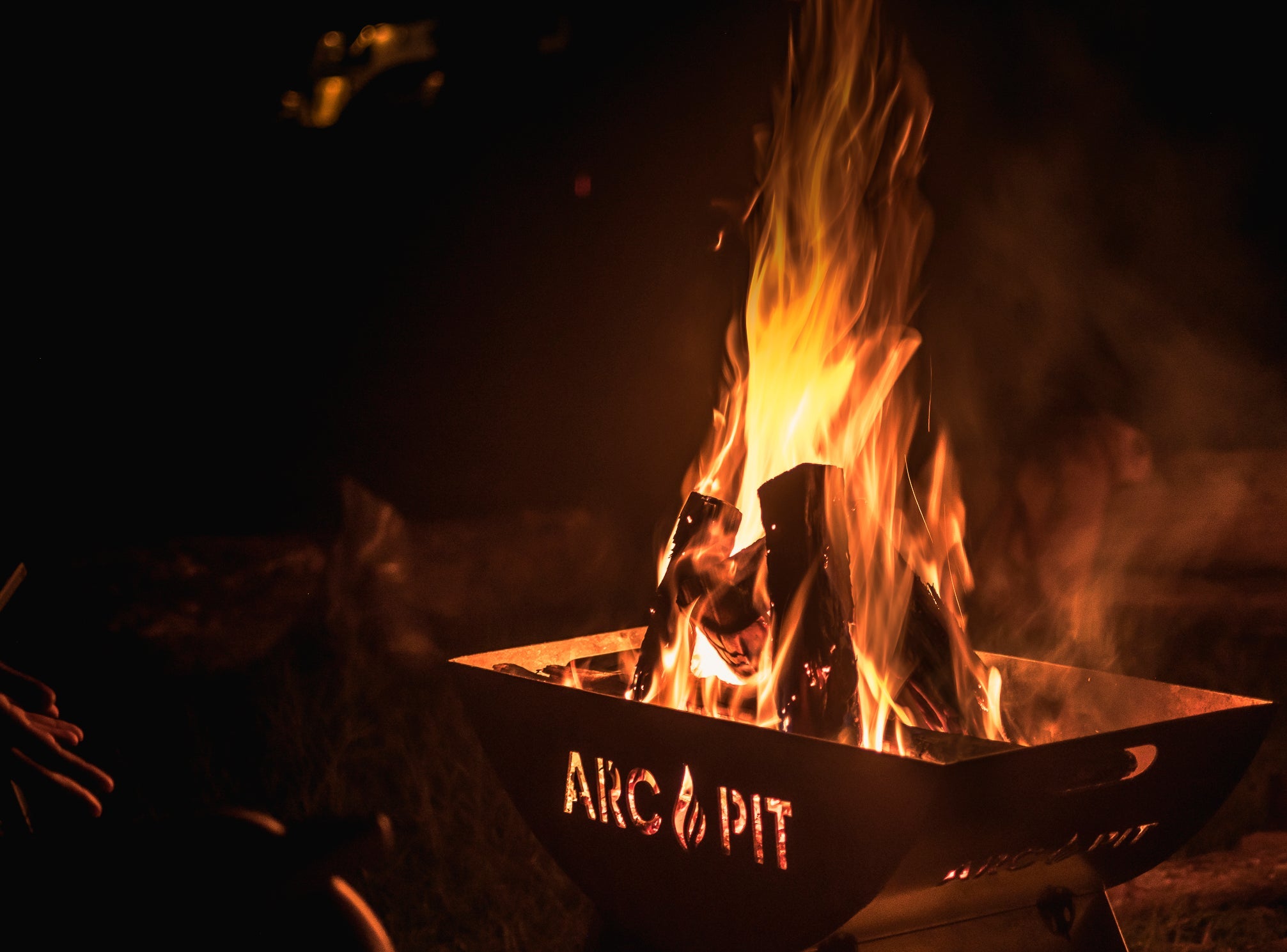
At ArcMate, we believe in fair pricing and lasting quality — not fake mark-ups or flash sales. Here’s why you’ll never see the ArcPit on sale, and why that’s a good thing for every Aussie camper.

Why We Use 430 Stainless Steel The ArcPit and ArcMate accessories are built from 430-grade stainless steel because it performs better where it matters most — high heat, open flame, and repeated cam...